Partners
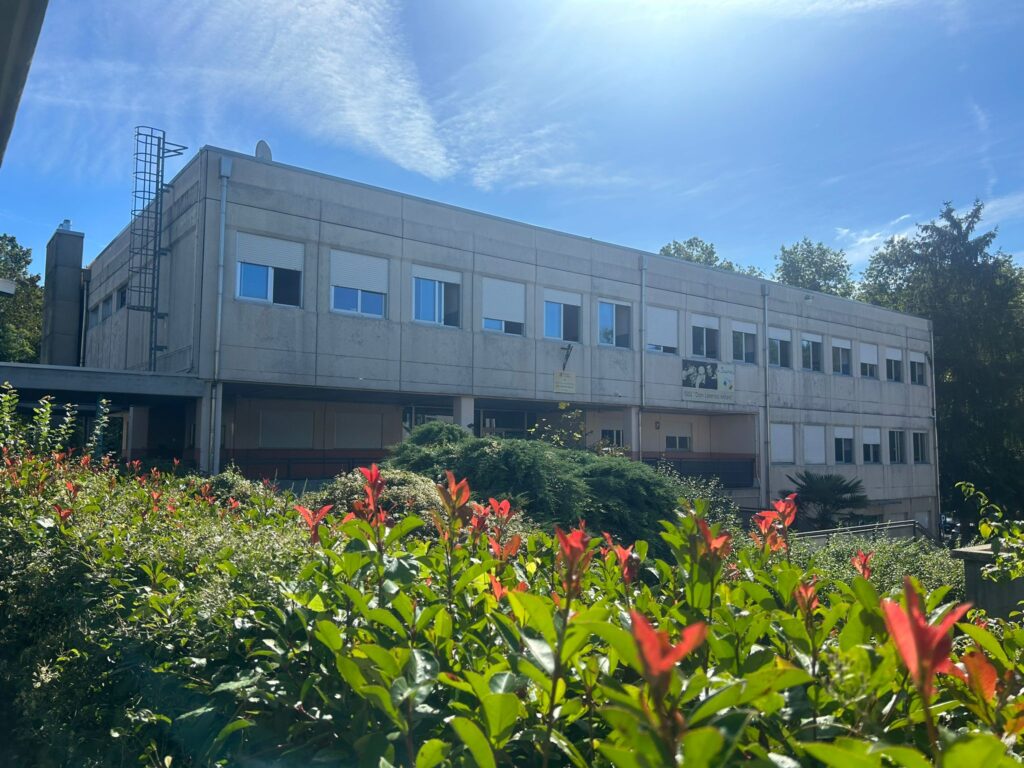
ISISS Don Milani Tradate – Italy
The Institute of Higher Education “Don L. Milani” was originally part of a school for accountants and surveyors, becoming independent in 1982. The study of business law was introduced in the late 1980s, and then in 2000 technical studies in business and tourist management, and for advertising professionals began. In 2003, the school achieved ISO 9001 Quality Certification. The school now offers the following courses:
▪ Administration, Finance and Marketing
▪ Environmental and Land Buildings
▪ Graphics and Communication
▪ Arts.
The school is located near Varese, in northern Italy, about 60 km from Milan and 10 km from the Swiss border. It has two campuses: one in Tradate; the other in Venegono Inferiore, which hosts the School of Arts. There are 1,055 students, most between 14-18 years old, and about 120 teachers, plus one headteacher and three deputy headteachers. For this project the most involved department will be
the environment and science department. Here we can count on the collaboration of four (4) qualified teachers of science, biology and earth sciences. They are all suitable to participate in this program due to their scientific qualifications which are relevant to the aims and goals of the project. We also have the collaboration of a former teacher of the school (1) who has a very qualified experience in the environmental sector and who will coordinate the activities. He will also keep the contacts with the CNR center in Ispra near Varese, which we will use. More specifically, three (4) of the members staff of the Don Milami Institute will be receiving payment for their contribution to the project of which one(1) is the main contributor to the scientific planning, whereas the other four (4) members will be providing their services on a voluntary base. In addition, approximately 10 teachers from schools in Tradate will be involved in the project voluntarily acting as mediators among the Institute, the students and the educational world. The key people managing the project for our school will be selected teachers from relevant departments including: English (1 from a total of 6), ICT (2/10), science(4/6), and Special needs teachers (1/8), as well as deputy headteachers (1/3) and the headteacher. Some of the selected teachers will prepare materials and activities, others will participate in LTTA exchanges, and the lead English teacher, Alessandra Castelli, is the project coordinator. Our school is large; if any of the key people leave, other teachers are available as substitutes. Regarding our school’s experience and expertise, we are coordinating Erasmus + Ka2
project “ Digital story teaching 21” Call 2019-2021, we are partners in two other Ka2 projects “Fitter happier healthier” and “Heritage for development”, calls 2019-2021. We also coordinated the 2016-18 Erasmus+ project “EduCareFully”, from which we developed expertise in managing and coordinating, as well as specific skills including in ICT, assisting special needs students, interviewing, public speaking, and producing video deliverables. In 2018, in cooperation with the Italian Ministry of Education, we organized a week-long event, “Varese Futura”, hosting students and teachers from all parts of Italy in activities across our city, exploring ways of solving social and economic issues, in particular by using modern technology. In 2010, our school coordinated the Erasmus+ Comenius anti-bullying project “I am not Scared”, developing skills, for example, in inter-personal and group dynamics, and conflict. Finally, we have the necessary experience and motivation to coordinate this project.
Lubana secondary school – Latvia
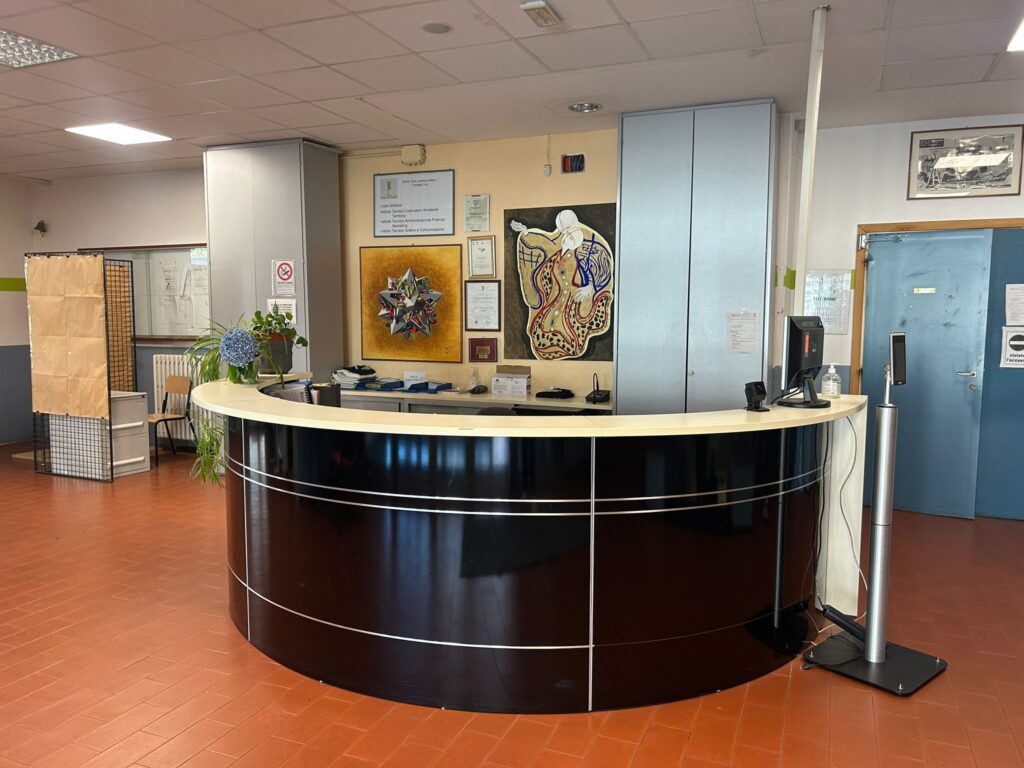
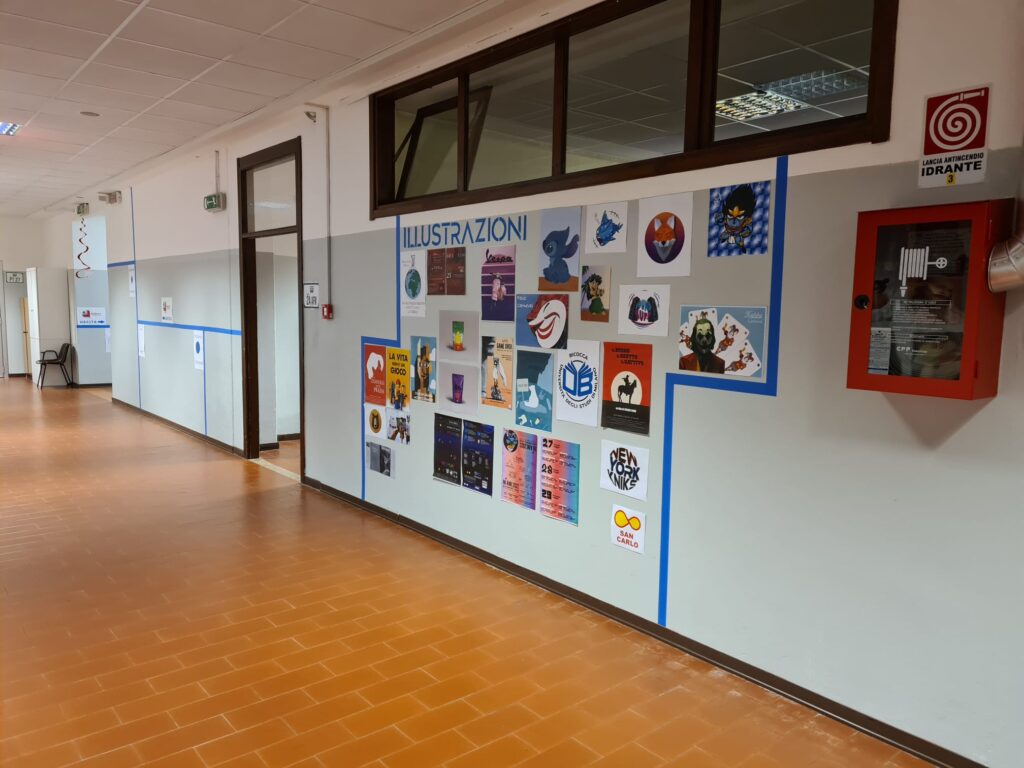
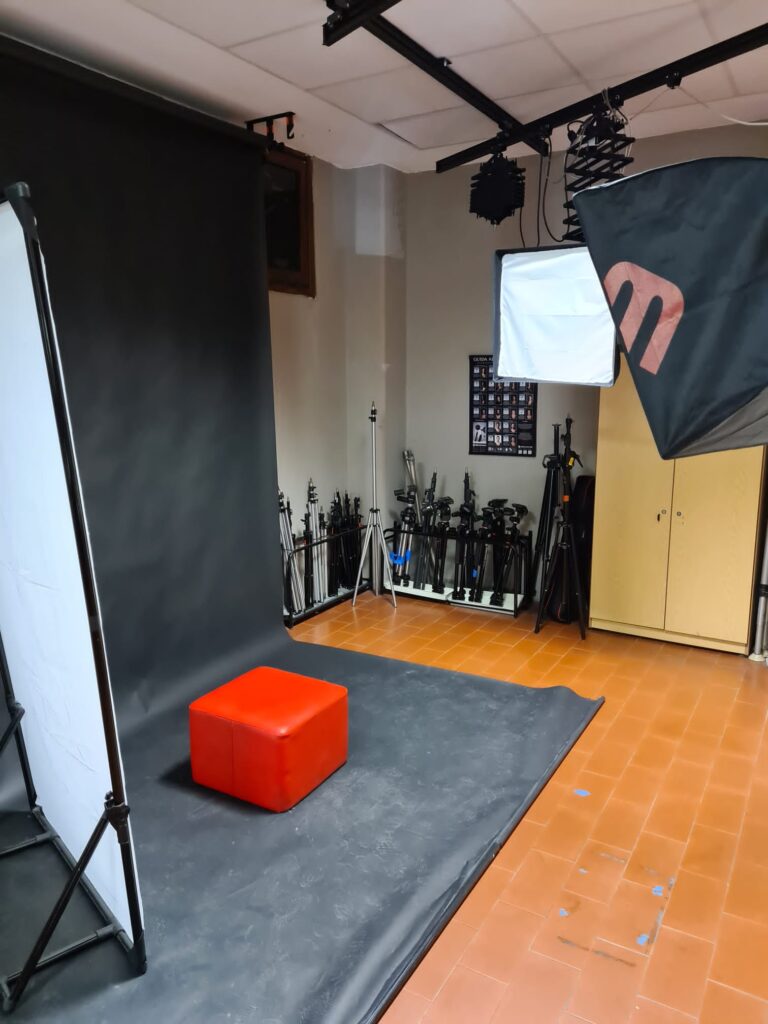
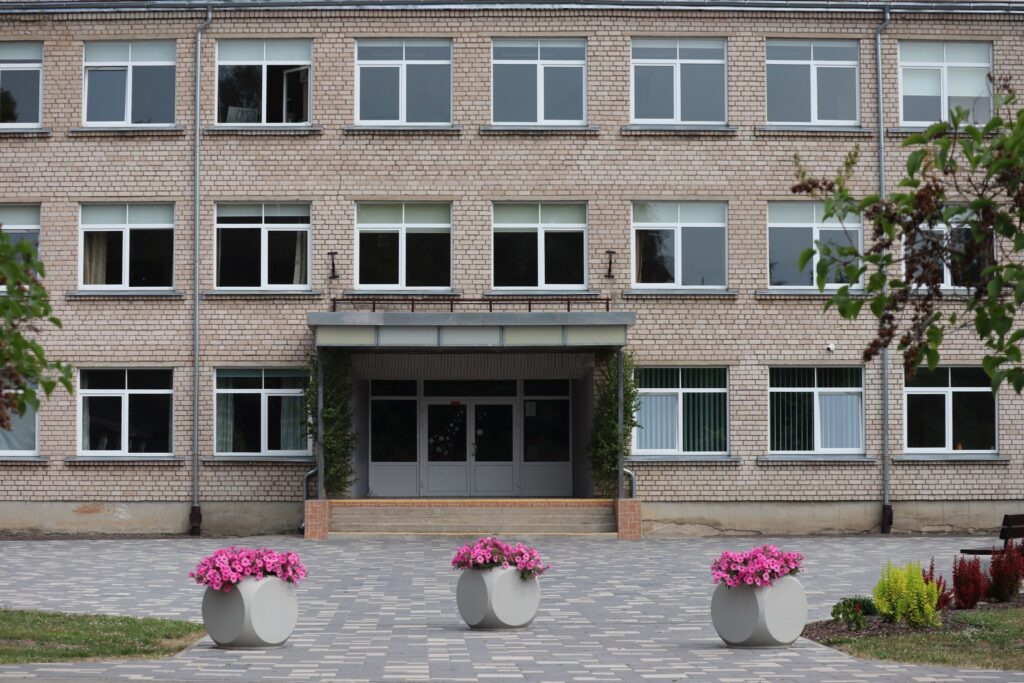
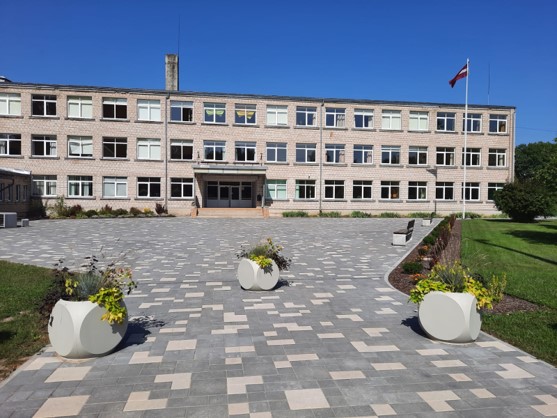
Lubāna secondary school is a school, located 210 km east from Riga, the capital city of Latvia. Lubāna is a little town with a population of about 2000 people. There are currently 180 students (aged between 7 and 19) and 30 teachers. The headmaster is Mrs. Iveta Peilane. Subana is a small town of 2,000 inhabitants, located 200 km south-east of Riga, Latvia’s capital city. The town is named after Latvia’s largest lake, “Lubans”, which is 25 km away. Our school is on the east bank of the river Aiviekste, which divides Lubana in two. The state gymnasium Lubana opened in 1920 and operated
until 1938. The first graduation from the secondary school took place in 1950 and in 1965 the school acquired a new building, in which it is located to this day. Lubana Secondary School is the only comprehensive school in the municipality of Lubana. Various subjects are taught in the school, which has two educational programmes: elementary education and comprehensive secondary education. In the 1st and 2nd grades, in addition to mandatory English classes, the students may also study English in optional lessons; in the 10th and 11th grades students can study German as an option.
Computer lessons begin in 1st grade. In grades 11 and 12, our students have the opportunity to work towards obtaining their driving licenses. Our students can participate in student self-government. After lessons, groups of students take part in different hobbies: folk dances, ensembles, and different kinds of sport. Our teachers’ competences are regularly improved in methodology, pedagogy, psychology and IT skills. Our school took part in Comenius projects and in the Erasmus+ project “EduCarefully” (2016-18). Our motivation for participating in this new project is to teach our students
different ways of thinking and beliefs, specifically to learn more deeply what it means to be European. They must comprehend how they can influence the world in which they live, as well as the significance of architecture in their studies. Because our students are of a technological generation, we teach them how to use technology to enhance the learning process. The school participates in an Eco-school program, which is an international program of the Foundation for Environmental Education (FEE) that aims to “empower students to be the change our sustainable world requires by engaging them in fun, action-oriented, and socially responsible learning.” It has an eco-school parliament, organizes waste sorting, spring and autumn cleaning in the neighborhood, participates in LTD “Latvian State Forests” organized educational expeditions in the forest, flashmobs such as “The Warm Jumper Day,” and so on. Various topics concerning the environment and climate change are discussed during lessons and after-school activities as well. Students ranging in age from 14 to 19 will be directly involved in the project, as will four teachers. Several local activities can be organized also with participating of the other students, staff and local inhabitants. For teachers the project is a great chance to share their experience with colleagues of other countries. It is essential for students to learn new skills, gain knowledge about global environmental problems, improve their foreign and communication skills, enhance their learning motivation, develop their IT skills for useful purposes, and realize the importance of preserving our planet and their own contribution to it, as well as to feel themselves as active citizens in the European Union.
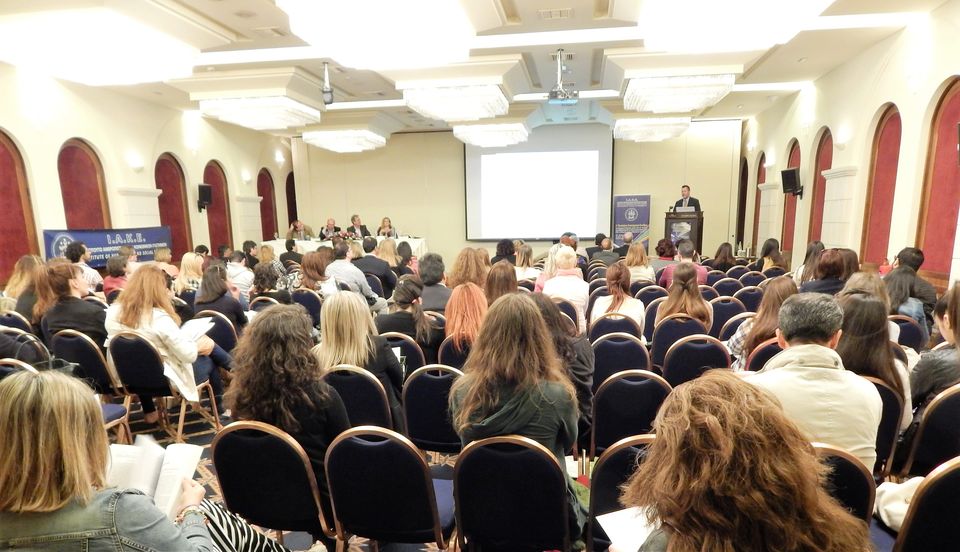
Institute of Humanities and Social Sciences (IAKE) – Greece
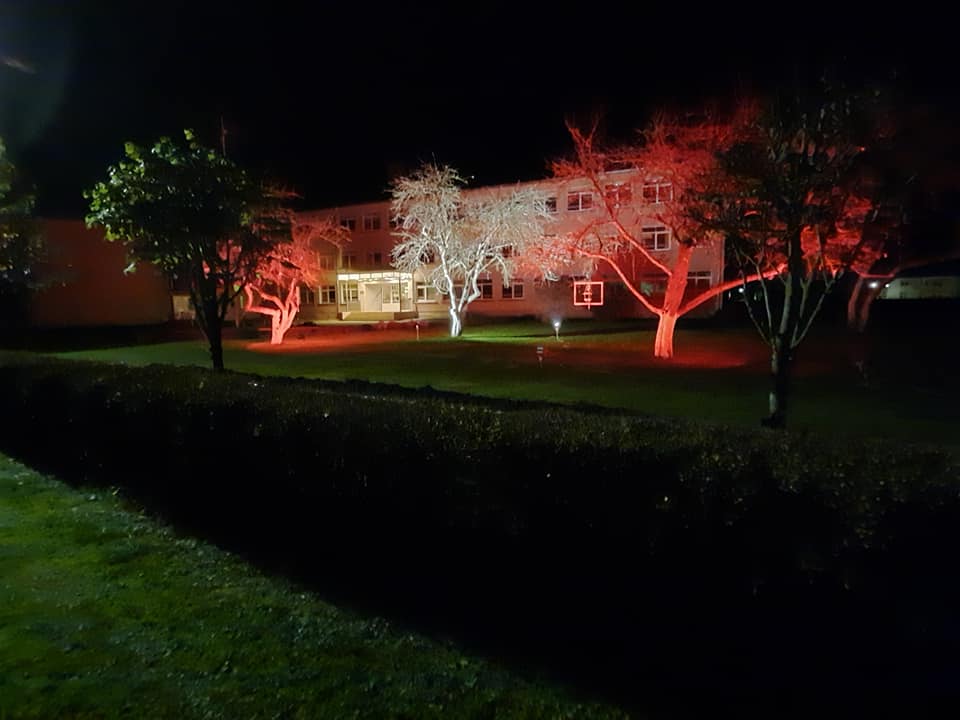
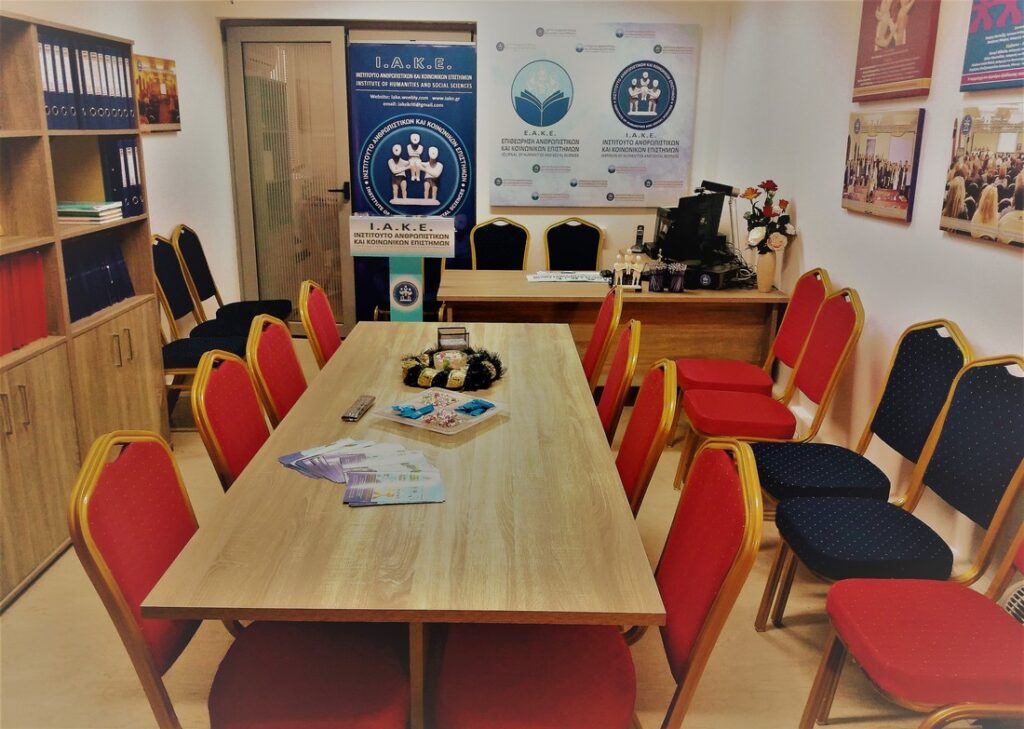
The Institute of Humanities and Social Sciences (IAKE) is a non-profit scientific association whose main purpose is the academic, theoretical, practical study and research in the fields of humanities, political and social sciences. It operates on the basis of volunteerism and solidarity, with the aim of raising awareness and motivation of its members, society, educators and citizens to promote, advance, cultivate the humanities and social sciences. The Institute of Humanities and Social Sciences is based on the island of Crete and more specifically in Heraklion, a city great in natural beauty, magnificent tourist attractions and ancient treasures. Heraklion, also, stands out for its outstanding gastronomy and its authentic traditional life. The notable cultural festivities derive from the renowned Ancient Minoan Civilization and are linked to modern times.
The aims of the Institute are:
- The development, implementation and dissemination of innovative practices, related to the sciences supported by the Institute, at a local, national and supranational level.
- The provision of opportunities for education, training and acquisition of work experience in lifelong learning and adult education structures at a national and European level.
- The development and dissemination of distance learning practices through the implementation and use of new technologies and networks.
- The organization of educational activities in collaboration with specialists, universities, formal, non-formal and informal educational institutions in Greece and abroad, as well as other non-profit institutions, research centers and agencies.
- The design, implementation and evaluation of European education, training and professional development programs.
- The cultivation, promotion, advancement and study of the language, history and culture of Greece, as well as the humanitarian, democratic, pedagogical and cultural values and principles of Europe.
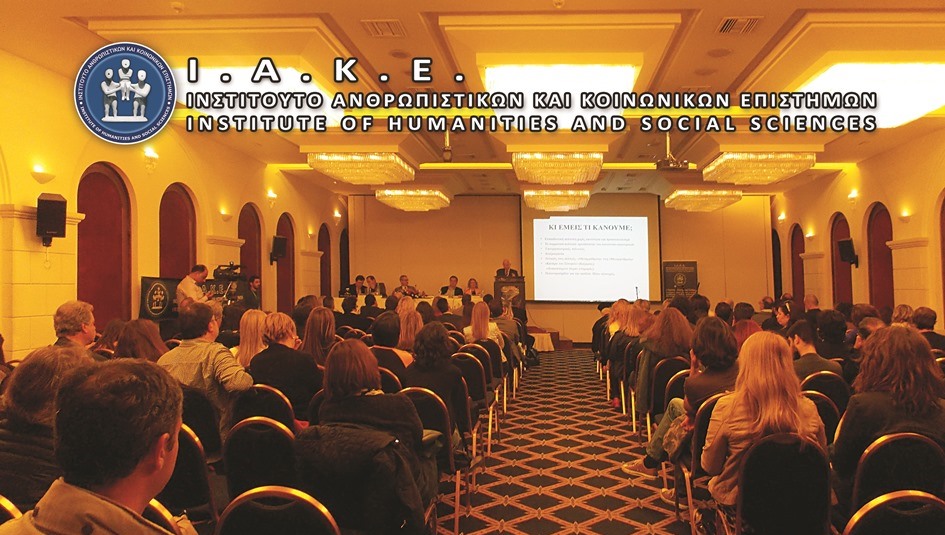
The Institute of Humanities and Social Sciences counts as many as nine very fertile and fruitful years of action in Heraklion, Crete and Greece. During this period of time it has organized and carried out nine very successful Scientific Conferences with international participation, the Minutes of which, along with a rich archive material, have been published and posted on its website: www.iake.gr. These nine conferences have been attended by Professors coming from various Greek and European universities, as well as by a large number of researchers, scientists, managers, educators, teachers, undergraduate and postgraduate students and scholars in the areas of development, planning, innovation, sustainability, cultural management and communication. This annually held Conferences are one of the most important events of the scientific community of the Region of Crete. Furthermore, the Institute of Humanities and Social Sciences has organized educational and scientific meetings and workshops in Heraklion, Athens, Thessaloniki, Ioannina, Pyrgos and elsewhere in Greece and its Instructors have participated in symposiums and round table discussions at other conferences in Greece, Cyprus, Germany and Austria.
Zespol Szkol Centrum Edukacji im. Ignacego Lukasiewicza – Poland
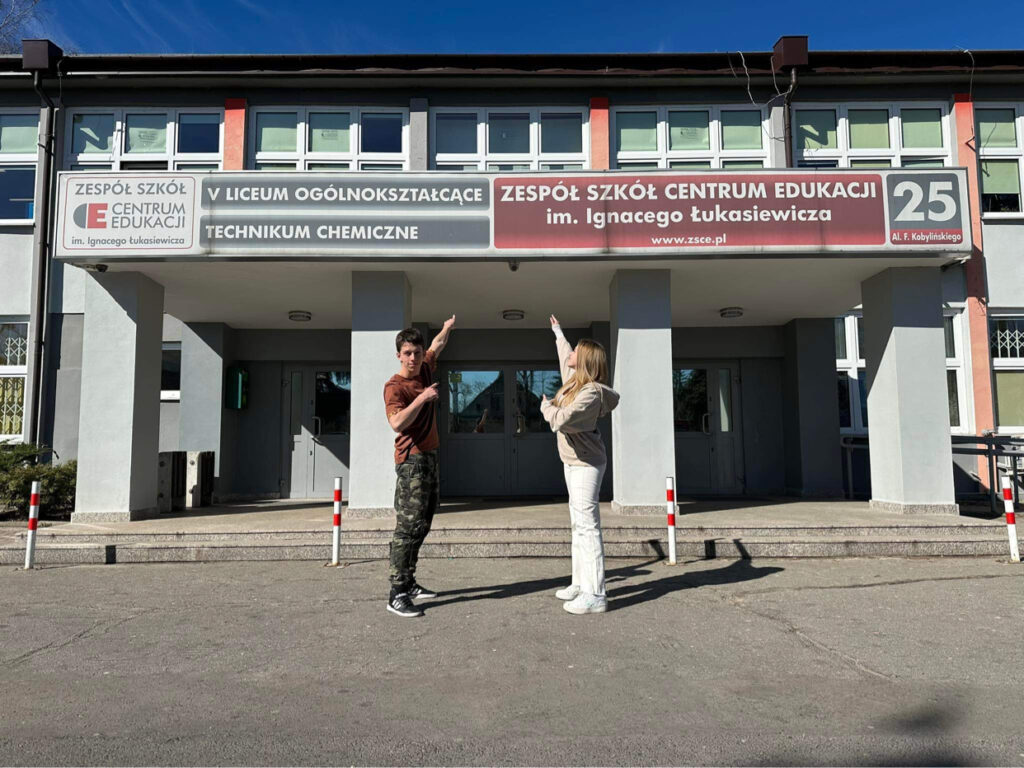
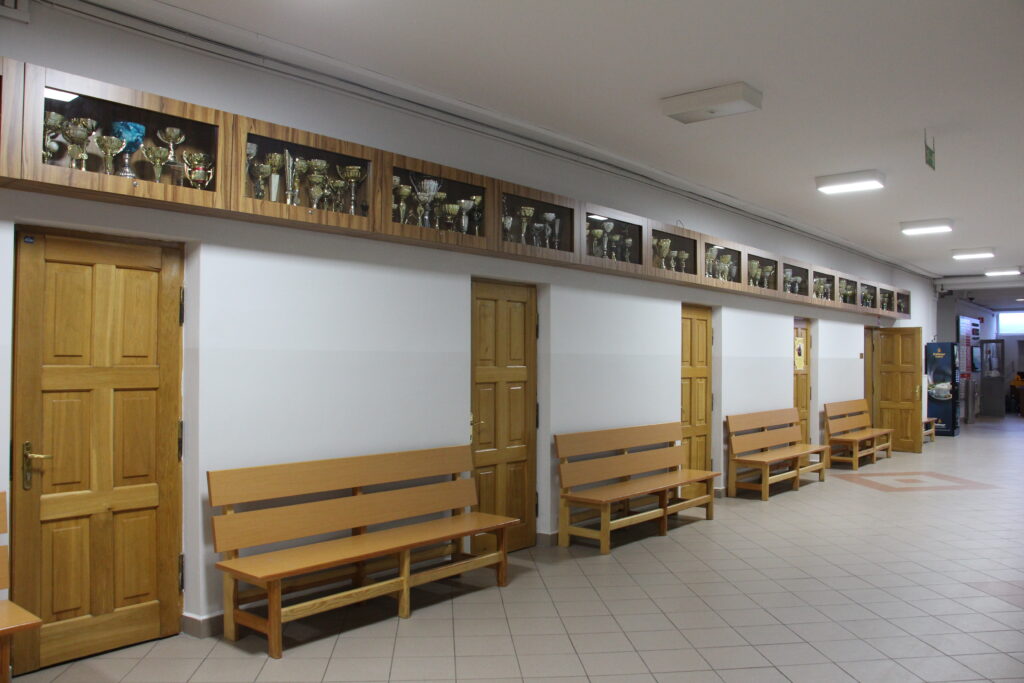
This is a secondary school located in Płock, a town 100 km from Warsaw, in the central Poland. Płock is situated in the industrial area, but it is a historical town with the rich cultural heritage. The school offers both general secondary education and vocational training. There are 940 students, 70 teachers and 12 non-teaching staff. The students range in age from 16 to 19 years old. They come from different of social backgrounds, and many of them live in villages. The school provides social assistance for our disadvantaged pupils, such as purchasing school supplies and collecting funds. Fortunately, they are highly motivated to succeed. There are numerous profiles to choose from, such as science, humanities, languages, sports, civic, and art. The school also offers a variety of activities, from sports to art. For many years, our students have held leadership positions in the classification of sports among Plock high schools. Working on the international school project can help solve some problems by engaging some students actively to school work, after school activities and supporting students’ communicative skills through the mobilities. Language knowledge of our students is very good, so they are keen on working on the common topics together with their partners from abroad. They learn English, German and French. The teachers are strongly motivated to educate young people in many fields, to
show them the real world with difficult problems around. We use different methods of education to be successful. We try to teach them the importance of tolerance, social life, cooperation, understanding and interpersonal skills to be a good citizen. In cooperation with Schuman Foundation in 2014, a group of our students participated in the debate on the occasion of the 10th anniversary of Polish accession to the European Union. Young people took part in the competitions organized by Polish MEPs, and as a reward – travelled to Brussels. We organize a lot of charity events, school competitions and cultural events. The staff from our school participated in the project “School of the Future, “Turn on thinking”, which helped them gain the techniques of creative thinking.
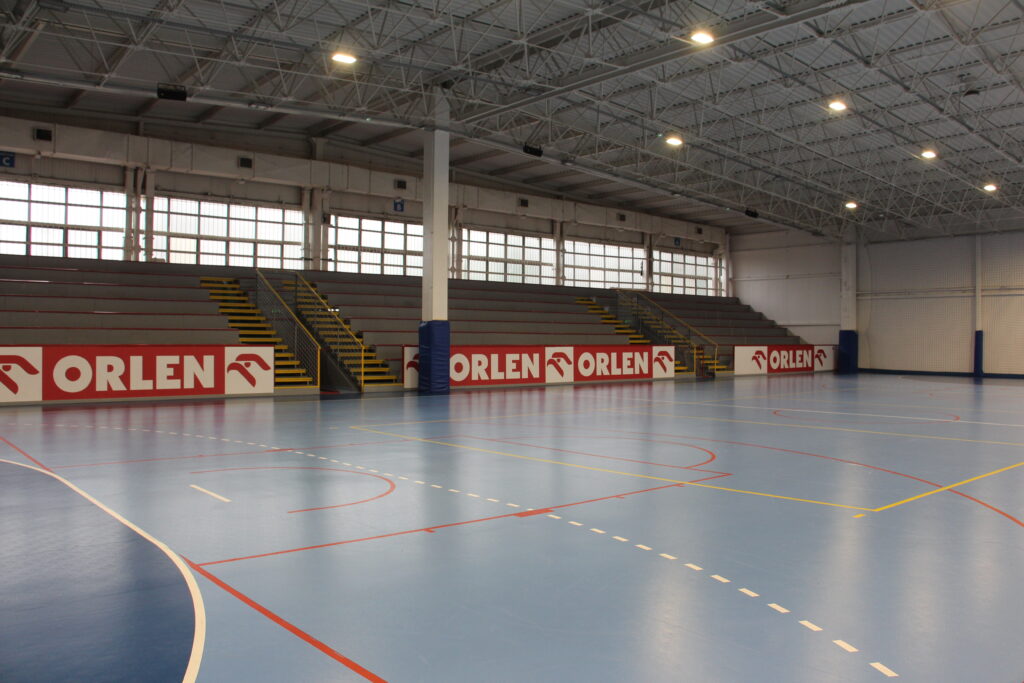
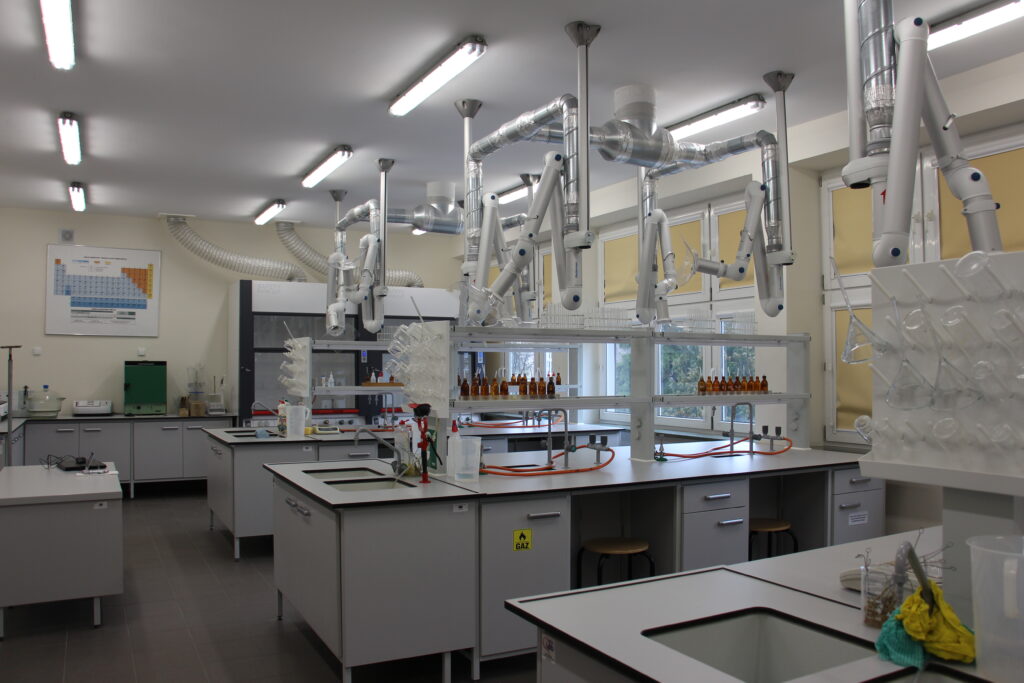
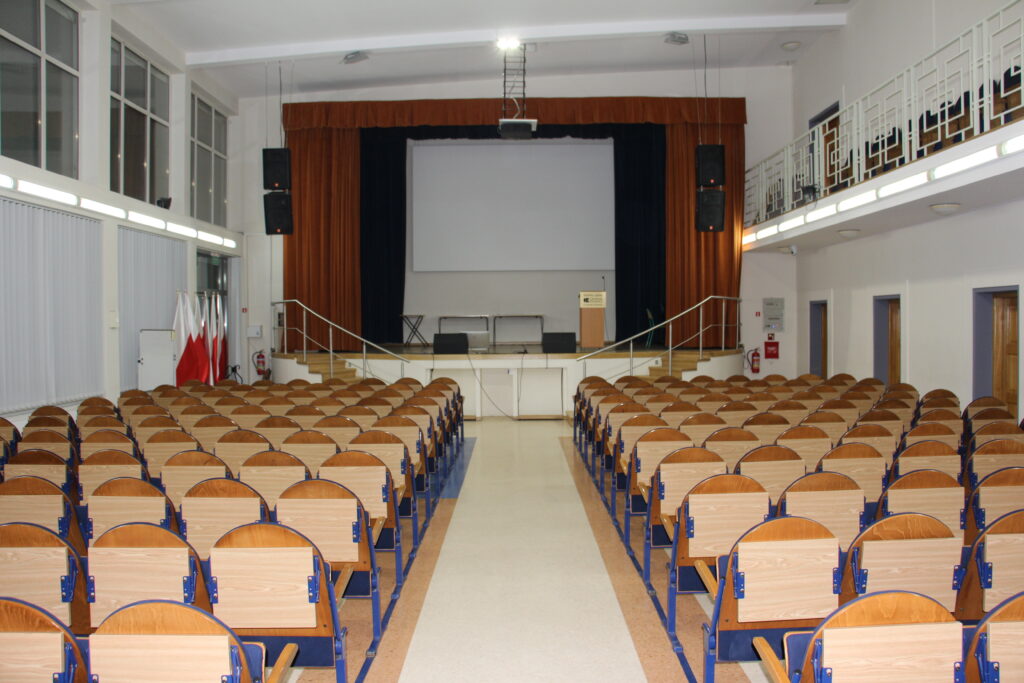
Dilnihat Ozyegin Anaolu Lisesi – Turkey
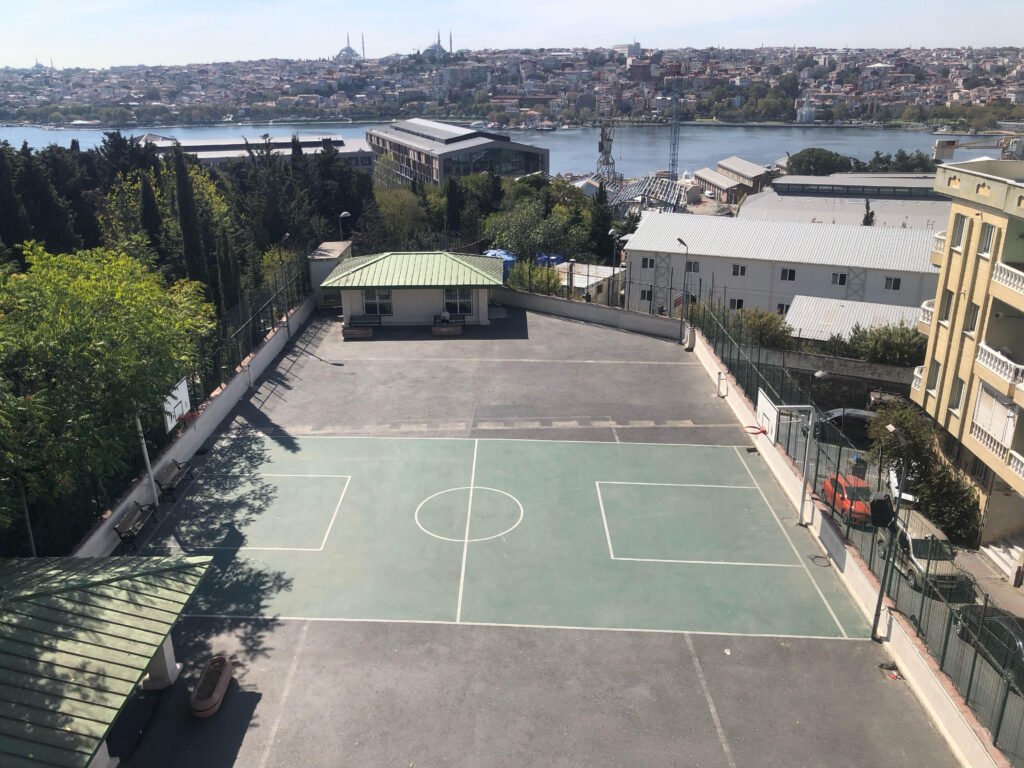
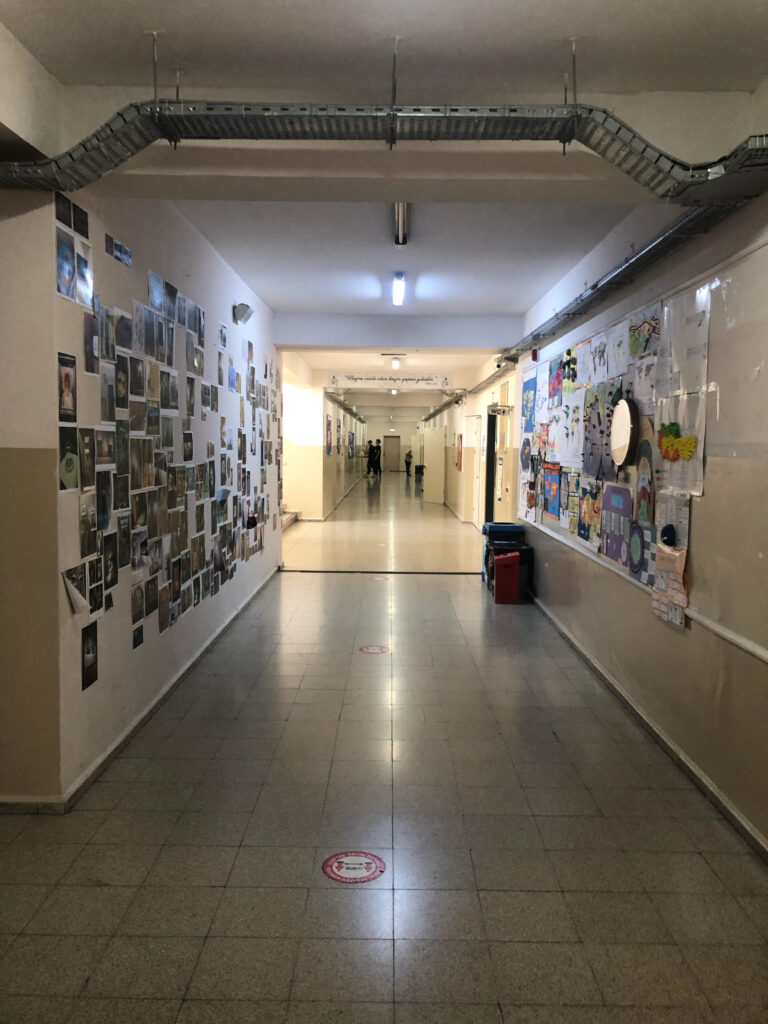
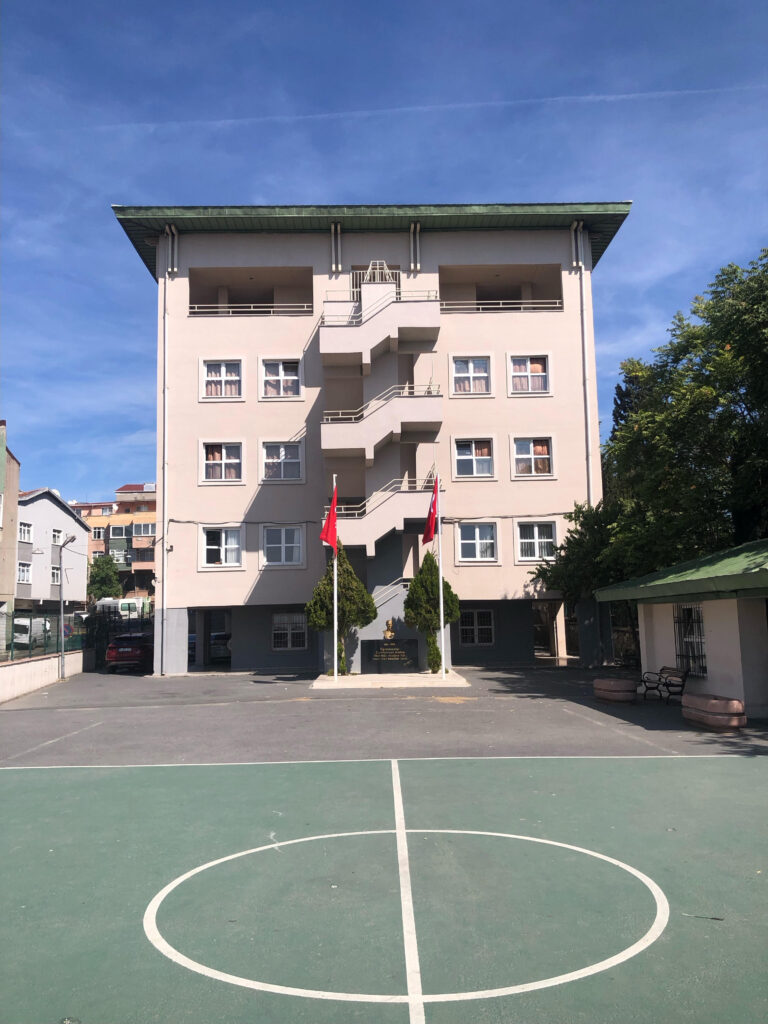
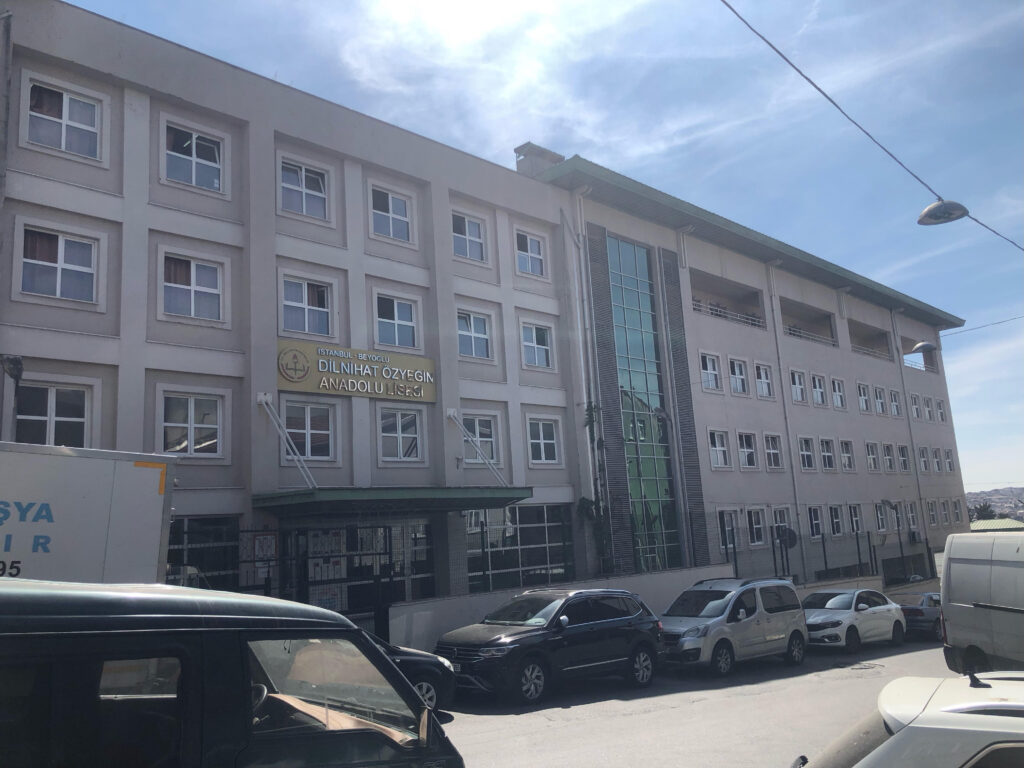
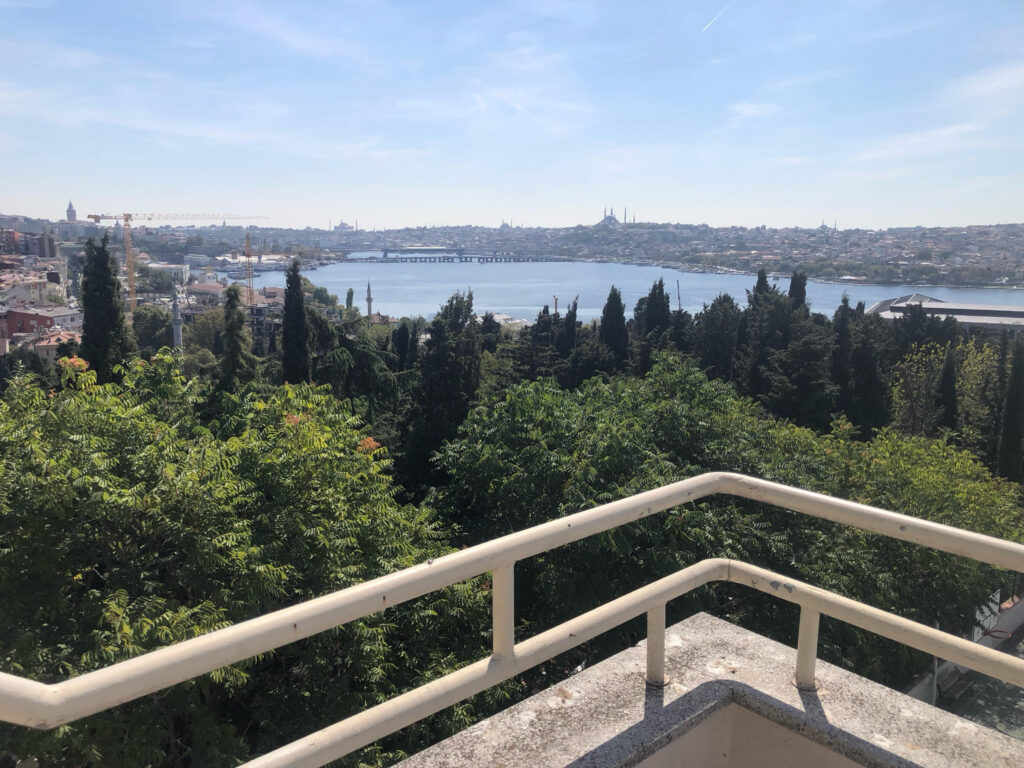
DİLNİHAT ÖZYEĞİN ANADOLU LİSESİ is a high school in an historical and developed part of Istanbul city, opened in 2004. There are 49 teachers and 4 administrative staff, 1 officer, 3 janitors and a safety guard in charge. The Education starts at 8:45 and ends at 15:45. Our goal is to become one of the leading schools in our country in educational quality terms and graduate students bound to Atatürk’s principles, sensitive to the country’s and world’s problems, open to the
changes and improvements with a high level of at least one foreign language. Our school encourages extra scholar activities and we have one school basketball club and one volleyball club. Some of our students are also interested in archery and participate in the competitions. They have some degrees in this field. Our school is also interested in art. Students participate in different competitions about art, literature, music etc. Our institution provides support (on-the-job) for middle school teachers. We also want to help our young students to improve their knowledge about their routes and to
broaden their experience through their participation in the project. Along with success, we also prefer to develop in young people ethical and moral principles, like added value. We believe young people potential is a movement for the future, for a better tomorrow. Our staff consists of teachers with previous experience in an Erasmus project. Every team member was responsible for their own group of students and leading own projects. Previous work in European program and
common cooperation put together a team of skilled and experienced teachers able to work in team with youngsters in local community schools, but also at international level. As well as our institutional expertise, we are a project school of “Fatih Project” ongoing with a joint protocol of the Ministry of Education and Ministry of Deportation. So differentiated Digital teaching strategy which students can personalize according to their own with “School Technology Policy” is being implemented successfully in our school. Our teachers performing “Flipped Classroom Technique” successfully for 3 years have been constantly improving the course contents by using Web 2.0 tools and mobile applications actively. In this project, we can support our partners in areas that require computer skills. Despite some future uncertainties, scientific climate models can predict the future climate fairly well. The Mediterranean region is expected to be one of the most susceptible areas in the world to climate change. Due to its location, Istanbul has complex climate dynamics that exhibit both Mediterranean characteristics and strongly interact with surrounding regions. The emerging issues for Istanbul and
surroundings are found to be the change in temperature and precipitation patterns, drought, increased sea levels, and cross-cutting themes related to urban heat island and air quality. Considering this alarming situation, our school hopes to raise awareness of sustainable living among our next generation, our students, by participating in local environmental education projects. Moreover, we hope to participate in this mutinational project to share experience and good practices with our partners from Europe as climate change is a global problem.
 2021-1-IT02-KA220-SCH000023630